📄The guide is the whole product on a Trastevere food tour. How to judge one before booking, what Italy's licensing law means, and what reviews can't tell you.
ℹ️Quick Answer
The guide is the biggest variable on a Trastevere food tour — the venues overlap heavily between operators, so the person leading it separates a memorable evening from a competent one. You can't audit a guide from a listing, but you can check the structure: group size caps (typically 7–14), whether the operator says its guides are licensed, and how candid it is about what it can't do. Italy regulates the profession by law. Remember you're booking an operator, not a named guide.
Compare four well-reviewed Trastevere food tours and a slightly deflating pattern emerges: they're broadly the same tour. The same neighborhood, the same handful of legendary stops, the same arc of supplì, porchetta, pecorino, a plated pasta and gelato, at roughly the same price for roughly the same duration. The food is excellent across all of them and it is not the variable.
The guide is. Everything the tour actually sells you — pace, sequencing, the reservation that gets you past a queue, the reason this pecorino is different from that one, whether a group of strangers ends the evening talking to each other — runs through one person. A good guide turns six stops into an argument about how a city eats. A poor one turns them into six stops. Same venues, same price, entirely different evening.
Which creates an awkward problem: the guide is the product, and it's the one thing you can't see before you buy. You're choosing from a listing that shows photographs of food. What follows is what you can actually do about that.
Italy Licenses Its Guides — And You Can Ask
Most travelers don't know this, and it's genuinely useful: guiding is a regulated profession in Italy, not an open one. The current framework comes from Law 190 of December 2023, subsequently amended, with its implementing regulation published in the official gazette in June 2024 and in force from July 2024. It requires a national qualification exam and establishes a national register of tourist guides. Unqualified guiding is not permitted, and the practical consequence for you is simple: you are entitled to ask a guide or an operator for proof of license before you book. The enforcement is real — foreign professionals working temporarily in Italy face fines running from roughly €1,500 to €6,000 for failing to file the required prior declaration.
Now the honest nuance, because it matters here. That regime is built around interpreting monuments, museums and cultural heritage — the guida turistica in the formal sense. A food tour host walking you between four restaurants and talking about guanciale is doing something adjacent to, but not identical to, regulated guiding. The question becomes live when your food tour promises historical commentary, which most of them do — the storytelling about the neighborhood, the Roman history between bites, is a large part of what you're paying for. If that matters to you, ask. A serious operator will answer straightforwardly, and how it answers is itself informative.
One related data point that shows how seriously Italy takes this: guiding inside the Vatican Museums requires separate accreditation on top of an Italian license, with its own fee and a fixed annual application window. That's a different product from a food tour, but it tells you the system is not decorative.
The trade-off: Asking about licensing feels awkward, and plenty of excellent food guides are local food professionals rather than licensed guide turistiche. But it's a legal right, it takes one email, and an operator that answers it clearly is telling you how it runs everything else.
What Reviews Can and Can't Tell You
Here's the part most articles get wrong. The standard advice is "read the reviews and look for guides people praise by name." That advice quietly assumes something untrue: you're not booking a guide. You're booking an operator.
A glowing review of a specific guide tells you that person is excellent. It does not tell you that you'll get them. Large operators run multiple departures a night with a roster of guides, and the assignment is theirs, not yours — so a hundred reviews naming a dozen different guides is telling you something about the company's hiring, which is useful, rather than about your Thursday, which it can't predict. The exception is a private tour, where you may be able to request a specific guide or at least talk to the operator about the match. On a group departure, treat named praise as a signal about the roster's average, not a reservation.
So read reviews for the right thing. Consistency across many guides is a strong signal — it means the operator hires and trains well. Praise concentrated on one name is a weaker one, because that's the person you probably won't get. And complaints about the structure — rushed pacing, oversized groups, thin tastings — matter more than complaints about a personality, because structure is what the operator controls and repeats.
The trade-off: This is a less satisfying way to choose than picking the tour where everyone loved Marco. But it's the accurate one — and it points you at the signals that actually predict your evening rather than someone else's.
The Structural Signals You Can Check
Since the guide is invisible, judge the things around them. These are all visible on a listing before you pay, and together they're a decent proxy.
Group size cap is the most useful single number. Trastevere caps run from about 7 to 14 depending on the operator, and the difference is qualitative: at seven you have a conversation, at fourteen you have an audience, and an unstated cap is itself an answer. "Small group" is not a regulated term, so the actual number is what counts. Whether the operator describes its guides at all — locals? food professionals? licensed? — tells you whether the guide is central to how they think or an afterthought. How long the company has operated is a reasonable proxy for whether the roster is trained or improvised.
And the best signal of all, which almost nobody uses: how candid the operator is about what it can't do. An operator that states plainly that its tour isn't suitable for vegans, or that celiacs face cross-contamination risk, or that the famous venues aren't guaranteed on every departure, is an operator that tells you inconvenient truths before you pay. That habit doesn't switch off when it comes to briefing guides. Read the fine print not just for the facts but for the disposition — the tours that disclose most are usually run by the people who care most.
Signal
🟢 Good Sign
🔴 Weak Sign
Group size cap
Stated and low (~7–12)
Unstated, or "small group" with no number
Guides described
Locals / food professionals / licensed, and named as central
No mention of who leads the tour
Licensing
Operator answers the question directly
Evasive or no answer
Candor in the fine print
States what it can't accommodate; says venues aren't guaranteed
Promises everything to everyone
Review pattern
Consistent praise across many different guides
All praise concentrated on one name
Complaints
About personalities (unlucky night)
About structure — rushed, oversized, thin tastings
Track record
Operating for years with a trained roster
New, with no stated approach to guiding
These are probabilistic signals, not guarantees. On a group departure you generally can't choose your guide; on a private tour you may be able to discuss the match with the operator.
The trade-off: None of these signals guarantee a great guide — you can do everything right and get someone having an off night. But they shift the odds meaningfully, and they're the only levers you have before the evening starts.
What a Great Guide Actually Does
Worth knowing what you're looking for, because it isn't charisma. Charisma is nice; competence is the job. A great Trastevere guide reads the group and moves accordingly — slower with a table that's talking, brisker with one that's hungry. They handle the machinery invisibly: the reservations, the timing, the ordering, so you never see the logistics you paid for. They tell you why rather than what — not "this is cacio e pepe" but why a city with no cream in its kitchens built its most famous sauce out of cheese, water and pepper.
They also do two things that are easy to miss. They know when to stop talking, because a good stop is sometimes just people eating. And they tell you what they don't know — a guide who says "there are two stories about that and I don't know which is true" is worth three who are certain about everything. There's a practical version of this too: when a venue is unexpectedly closed, which operators openly warn happens, a good guide substitutes gracefully and you'd never know. That's the skill you're actually buying.
And if you get a poor one? It happens, and it's worth being unsentimental. Tell the operator — a serious company wants to know, and this is one of the reasons booking through a platform with buyer protection has value. Then rate honestly, describing the structure as well as the person. It's the only feedback loop the next traveler has.
The trade-off: A quiet, competent guide who runs a flawless evening may leave less of an impression than a loud one who talks over the food. But you'll eat better, learn more, and remember the city rather than the performance — which is what you booked.
Guide licensing information reflects Italian law as of current 2026 information — the framework derives from Law 190 of December 2023 as subsequently amended, with its implementing regulation in force from July 2024, and requirements can change. The regime centers on the regulated profession of tourist guide; whether it applies to a given food tour depends on the tour's content, so ask the operator directly. Group sizes, operator practices, and review policies vary. "Small group" is not a regulated term. This article offers general guidance for evaluating operators, not an assessment of any specific tour or guide.
Common questions
❓ Does it matter which Trastevere food tour I book?
Less than you'd think, on the food — and more than you'd think, on the guide. The well-reviewed tours overlap heavily: the same neighborhood, the same famous stops, a similar arc of supplì, porchetta, a plated pasta and gelato, at similar prices. What varies enormously is the person leading it, because everything the tour actually sells — pacing, context, the reservations, the group dynamic — runs through them. Since you can't see the guide before booking, judge the operator's structure instead: group size caps, whether it states its guides are licensed, and how honest it is about what it can't accommodate.
❓ Do Trastevere food tour guides need to be licensed in Italy?
Guiding is a regulated profession in Italy under Law 190 of December 2023, whose implementing regulation came into force in July 2024. It requires passing a national qualification exam and maintains a national register of tourist guides, and unqualified guiding isn't permitted — you're entitled to ask for proof of license. The nuance is that the regime centers on interpreting monuments and cultural heritage, while a food tour host leading you between restaurants sits adjacent to that. Since most food tours do include historical commentary, it's a fair question to ask the operator — and how they answer tells you something.
❓ What makes a good food tour guide?
Competence more than charisma. A great guide reads the group and adjusts the pace, handles the reservations and ordering invisibly so you never see the logistics, and explains why rather than what — not just naming cacio e pepe but explaining why a city with no cream built its famous sauce from cheese, water and pepper. They know when to stop talking and let people eat, and they say when they don't know something rather than inventing an answer. Practically, they also substitute gracefully when a venue is unexpectedly closed, which operators warn does happen. If you get a poor guide, tell the operator and rate honestly.
About the Author
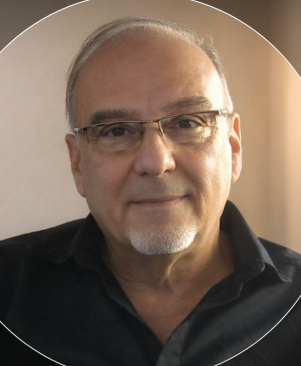
Mario Dalo
Founder & Research Analyst
I founded TrastevereFoodTour to apply the method we use across the Intercoper portfolio: read what thousands of travelers actually reported, verify what can be verified, and publish what the evidence supports — including the parts that don't help a booking.